Wendy
11/29/2024 9:17:26 AM
4 mins read
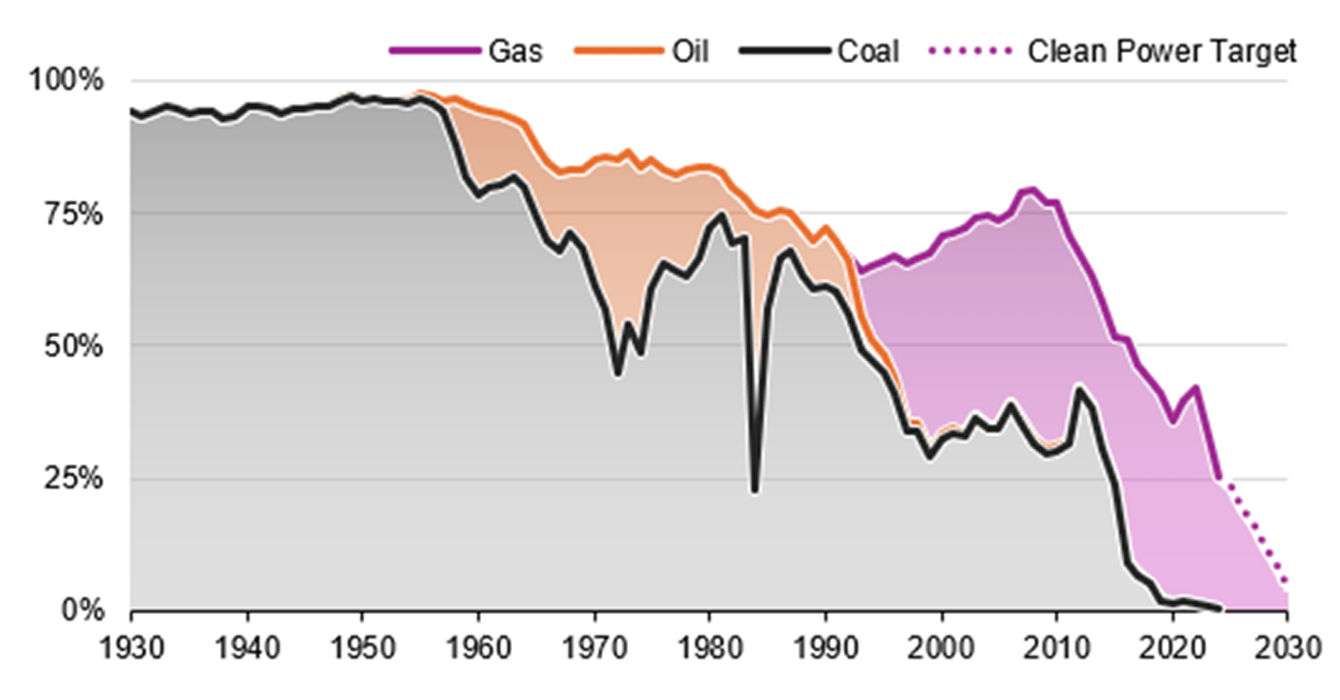
Electricity generation from fossil fuels reached its lowest-ever monthly average in the third quarter of 2024, falling below 5 gigawatts (GW) in August, according to the latest data from Drax Electric Insights.
The record low was followed by the symbolic end to coal-fired power generation in Britain with the closure of Ratcliffe-on-Soar power station, making the UK the first major economy to phase out coal power completely.
Despite the UK leading the way in decarbonisation among the G7, the report shows that significant challenges remain in decarbonising the power sector, including the needs to phase out natural gas, invest in grid infrastructure, and address rising balancing costs.
The findings have been released in the latest instalment of the quarterly Drax Electric Insights report. The publication is an independent report by academics from Imperial College London commissioned by Drax through Imperial Consultants.
In order for the country to achieve the goal of a net-zero power grid by 2030, Britain will need to reduce its share of gas from around 25% to 5% in just six years. This is in line with the pace of reduction for gas power generation seen since 2010, which was achieved in just three years for coal.
“Phasing out natural gas at speed will be much more difficult than coal” explained Dr Iain Staffell of Imperial College London, the lead author of the quarterly Drax Electric Insights report series.
“Gas offers the grid a flexible supply that is difficult to replace, and one that is essential to energy security right now. If we continue to reduce our dependence on gas by prioritising wind and solar, they will need support from other technologies like long-duration energy storage (LDES) and dispatchable thermal power, and government will need a bold approach to rapidly upgrade our transmission grid.”
He added: “The cost of decarbonisation will increase as we approach 100% clean power. Add to that the expected 50% growth in electricity demand by 2035, and it’s clear to see we face major challenges in providing sufficient capacity and greater flexibility. The UK is leading the world on this, and must continue to lead by example and forge ahead as it has over the last decade, with effective decision making to enable a clear long-term vision.”
Bruce Heppenstall, Plant Director at Drax said: “The end of coal was a poignant moment for the UK energy sector. It puts into perspective just how far we have come since the Climate Change Act was passed in 2008 and Drax has its own unique story as part of the shift away from coal, transitioning from coal power generation to become Europe’s largest decarbonisation project using sustainable biomass to produce electricity. It is imperative that we do not rest on our laurels and invest in flexible renewable power from a variety of sources.”
“Drax stands ready to implement its plans for BECCS at Drax Power Station, which could remove 4 million tonnes of carbon dioxide from the atmosphere by 2030 whilst delivering reliable renewable power, and we are moving forward the expansion of our pumped hydro storage power station at Cruachan, providing the grid with additional storage capacity, which is essential if Britain is to achieve clean power by 2030.”
Alongside the need to phase out fossil fuel from power generation, the Q3 report also highlights the growing strain on Britain’s transmission network, particularly the bottleneck between Scotland and England, as renewable energy production ramps up.
Projects like the Eastern Green Link 2 (EGL2), a 505-kilometre interconnector designed to transport renewable electricity from Scotland to England are cited as key infrastructure investments that will help to reduce the curtailment of wind energy and ensure that more clean power is used across the country.
The sector must also contend with rising balancing costs, with balancing the grid becoming more complex alongside the rapid growth of renewables. They are now five times higher than their 2010s average.
For more information or to access the full report, visit Drax Electric Insights.